

Colorado Springs Parking Lot Striping Service
Enhancing Safety, Organization, and Curb Appeal for Your Property
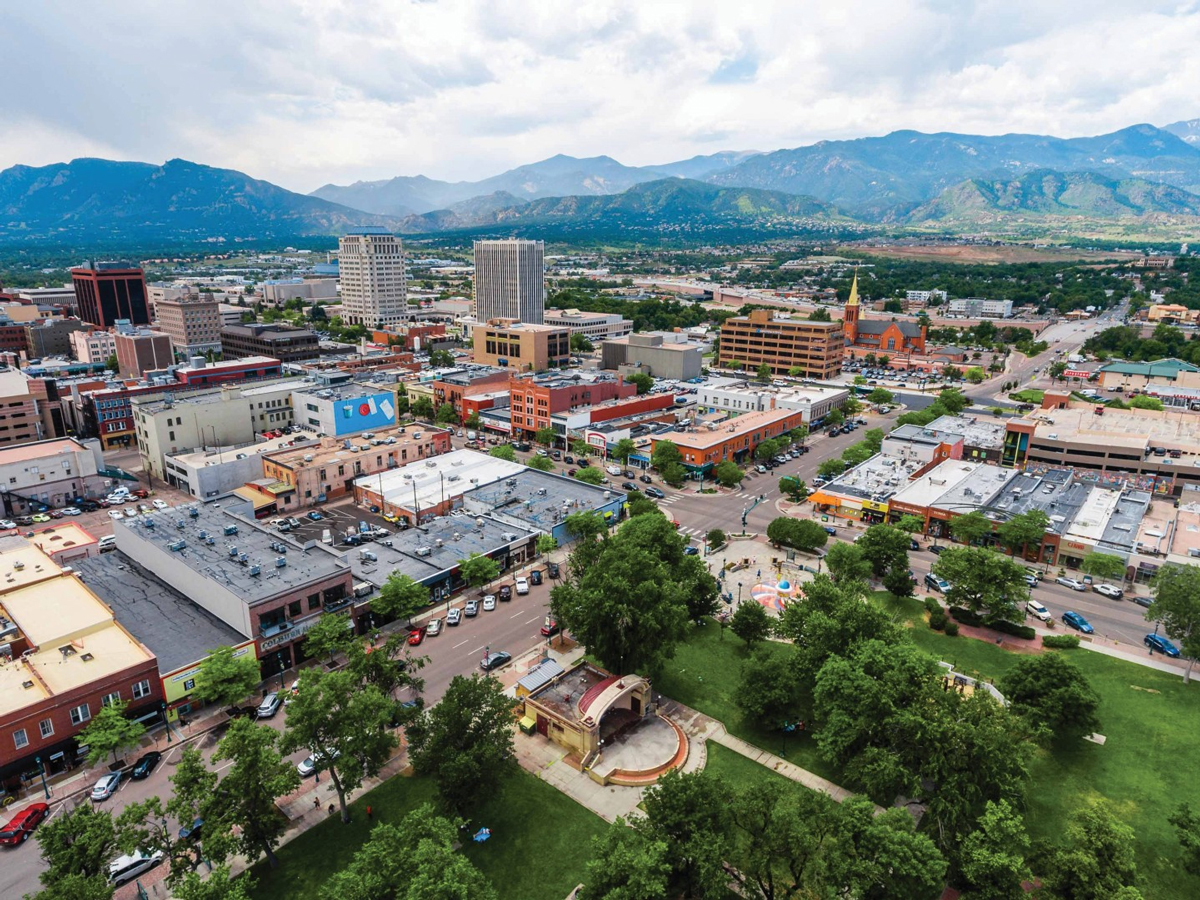 Parking lot striping is a critical component of property maintenance and management across Colorado Springs. Whether you own a retail plaza, office complex, apartment building, or industrial facility, the clarity and condition of your parking lot markings play an essential role in ensuring safety, traffic flow, and a positive first impression for visitors. This guide explores the importance of professional parking lot striping services, the process involved, key considerations in the Colorado Springs area, and how to choose the right contractor for your needs.
The Importance of Professional Parking Lot Striping
Safety and Traffic Flow
Parking lot striping is more than just a cosmetic upgrade—it’s a fundamental safety measure. Clearly marked lines and symbols guide drivers and pedestrians, reducing the risk of accidents and ensuring efficient movement throughout the lot. Professional striping ensures that:
- Parking spaces are easily identifiable and sized appropriately
- Traffic lanes, directional arrows, and pedestrian crossings are clearly visible
- Fire lanes, loading zones, and handicap-accessible spaces meet legal standards
- Emergency vehicles have unobstructed access when needed
Compliance with Regulations
Adhering to both local and federal regulations is vital for property owners. The Americans with Disabilities Act (ADA) requires accessible parking spaces and proper signage for individuals with disabilities. Local Colorado Springs ordinances may also dictate specific requirements for fire lanes, parking space dimensions, and signage placement. Professional striping services ensure your parking lot remains compliant, helping you avoid costly fines and legal complications.
Enhancing Curb Appeal and Property Value
A freshly striped parking lot projects an image of professionalism and care, contributing to your property’s overall curb appeal. Crisp, vibrant lines give the impression of a well-maintained facility, making your business more inviting to customers and clients. Regular striping can also protect your investment by extending the life of your asphalt surface.
The Parking Lot Striping Process
1. Initial Assessment and Planning
Every project begins with a thorough assessment of your parking lot. Professional stripers evaluate the existing pavement condition, measure the area, and review current markings. They consult with you to determine your needs, whether it’s a full re-striping, new layout, or just touch-ups.
2. Surface Preparation
Proper preparation is vital for durable, high-visibility markings. The lot is cleaned to remove dirt, debris, and any residual oil or grease. In some cases, power washing or mechanical sweeping may be necessary. If your lot has cracks or potholes, these should be repaired prior to striping to ensure even application and longevity.
3. Layout and Marking
Using chalk lines, tape, or other guides, the layout is carefully measured and marked to maximize parking space while maintaining code compliance. Common markings include:
- Standard and compact parking spaces
- Handicap-accessible parking (with required signage)
- Directional arrows and stop bars
- Pedestrian crosswalks
- Fire lanes and loading zones
- No-parking areas and curb markings
4. Application of Striping Paint
Professional-grade traffic paints are used for durability and visibility. In Colorado Springs, water-based acrylic paints are commonly chosen for their quick drying times and environmental safety, though thermoplastic and epoxy options are available for heavy-use areas. Stripers use line striping machines to apply paint in straight, consistent lines with precise widths and spacing.
5. Drying and Curing
Most traffic paints dry within 30 minutes to an hour, but full curing may take longer, especially in cooler or humid weather. Contractors will cordon off freshly painted areas to prevent smudging or tracking.
6. Inspection and Final Touches
A final inspection ensures all lines are crisp, bright, and compliant with regulations. Touch-ups may be performed where necessary, and contractors will remove any temporary guides or tape.
Considerations Unique to Colorado Springs
Weather Conditions
Colorado Springs experiences a range of weather conditions, from intense summer sun to winter snow and ice. UV rays can quickly fade parking lot lines, and freeze-thaw cycles can damage pavement. Professional striping services use durable, weather-resistant paints and may recommend a maintenance schedule tailored to local conditions.
Environmental Concerns
Environmental stewardship is a growing priority for businesses in Colorado Springs. Many striping contractors offer low-VOC or water-based paints that meet environmental standards and reduce air pollution during application.
Snow Removal and Seasonal Maintenance
Snow removal can wear down lines, necessitating more frequent touch-ups. Property owners should coordinate with striping contractors to schedule regular maintenance each spring or fall after snow season to keep markings clear and legible year-round.
Types of Parking Lot Markings
- Standard Parking Stalls: Clear, white or yellow lines defining parking spots
- Handicap Spaces: Blue symbols and signage, including van-accessible spots
- Crosswalks: Bold, high-visibility markings for pedestrian safety
- Directional Arrows: Guide traffic flow efficiently
- Fire Lanes: Red lines and “No Parking” stencils for emergency access
- Loading Zones: Yellow or white markings for delivery and service vehicles
- Reserved and Numbered Spaces: Custom stenciling for specific tenants or purposes
- Stop Bars and Signage: Indicate stopping points and increase awareness
Choosing a Parking Lot Striping Contractor in Colorado Springs
What to Look For
Selecting the right striping company is essential. Consider these factors when choosing a contractor:
- Experience: Look for companies with a proven track record in Colorado Springs and familiarity with local codes
- Quality Materials: Ensure they use high-grade, weather-resistant paints suitable for Colorado’s climate
- Comprehensive Services: The best providers offer layout design, surface prep, crack sealing, and maintenance—not just painting
- References and Reviews: Check customer feedback and ask for examples of previous projects
- Insurance and Licensing: Verify that your chosen contractor is properly insured and licensed in the state of Colorado
- Clear Estimates: Request detailed, upfront quotes including all labor, materials, and potential additional costs
Questions to Ask Your Striping Company
- How long have you been operating in Colorado Springs?
- What types of paint and materials do you use?
- Can you provide references from similar projects?
- What is your approach to surface preparation and repairs?
- Do you offer maintenance plans for ongoing care?
- How do you handle scheduling and minimize disruption to my business?
Maintaining Your Parking Lot Markings
Regular maintenance is essential for keeping your parking lot safe and looking its best. Faded or worn lines can lead to confusion, reduce safety, and may result in non-compliance with regulations. Consider the following maintenance tips:
- Inspect your lot at least twice a year, ideally in spring and fall
- Schedule re-striping every 1–2 years, or as soon as lines begin to fade
- Repair cracks, potholes, or drainage issues promptly to protect your investment
- Coordinate with snow removal crews to minimize damage during winter
- Refresh signage and curb markings as needed for clarity and compliance
Benefits of Professional Parking Lot Striping
- Improved Safety: Reduces accidents and protects pedestrians
- Legal Compliance: Avoids expensive fines and lawsuits
- Enhanced Appearance: Boosts curb appeal and showcases professionalism
- Optimized Space: Maximizes the number of parking spots and improves traffic flow
- Increased Property Value: Well-maintained lots are more attractive to tenants and buyers
Frequently Asked Questions
How often should a parking lot be re-striped in Colorado Springs?
Due to sun exposure, snow, and general wear, most lots should be re-striped every 1–2 years, or whenever lines start to fade.
What kind of paint is best for Colorado’s climate?
Water-based acrylic paint is commonly used because it dries quickly and performs well in Colorado’s variable conditions, but thermoplastic paint is recommended for high-traffic areas.
Is night striping possible?
Yes, many contractors offer striping at night or during off-hours to minimize disruption to business operations.
Can I customize the layout or color of my parking lot markings?
Absolutely. Contractors can design custom layouts and use a variety of colors to match your branding or meet specific needs.
How long does the striping process take?
Most projects can be completed in one day, but this depends on the size of the lot and weather conditions.
Conclusion
Parking lot striping is a key investment for any property owner or manager in Colorado Springs. It improves safety, ensures legal compliance, optimizes traffic flow, and enhances the overall look of your business or residential complex. By choosing experienced professionals, using the right materials, and maintaining your lot regularly, you can maximize the value and functionality of your parking area for years to come.