
Colorado Striping Services
Ensuring Safety and Efficiency on the Roads and Parking Lots with Pavement Marking Solutions in Colorado
Nestled amidst the towering Rockies and vast plains, Colorado’s infrastructure relies not only on well-built roads but also on the clear, precise markings that guide millions of vehicles daily. At the heart of this vital work stands Colorado Striping Service—a cornerstone of safety, organization, and efficiency for the state’s highways, commercial parking lots, and municipal streets.
The Importance of Road Striping Services
Clear pavement markings are foundational to modern transport systems. They define lanes, indicate directions, enhance visibility at night or in adverse weather, and ensure compliance with safety regulations. Whether on a mountain highway winding through snow or an urban intersection bustling with traffic, stripes and symbols are silent stewards that keep drivers informed and protected.
Safety
At its core, striping is a safety measure. Well-maintained markings reduce accidents by clearly indicating lanes, stop points, pedestrian crossings, and other critical navigational cues. In Colorado, with its diverse climate that brings both intense sun and snow, maintaining visibility is a constant challenge. Faded lines can cause confusion, especially at night or during heavy precipitation, underlining the need for regular re-striping.
Organization and Traffic Flow
Roadways are only as functional as they are organized. Proper striping prevents congestion, enables smooth turns, and maximizes parking lot efficiency. In commercial and public spaces, clear demarcation of parking spots, fire lanes, accessible zones, and loading areas not only enhances order but also complies with local laws and ADA requirements.
Services Offered by Colorado Striping Companies
A leading striping service in Colorado typically provides a comprehensive suite of pavement marking solutions tailored to diverse settings:
- Highway and Roadway Striping: Application of long-lasting, high-visibility paint or thermoplastic striping for highways, city streets, and rural roads.
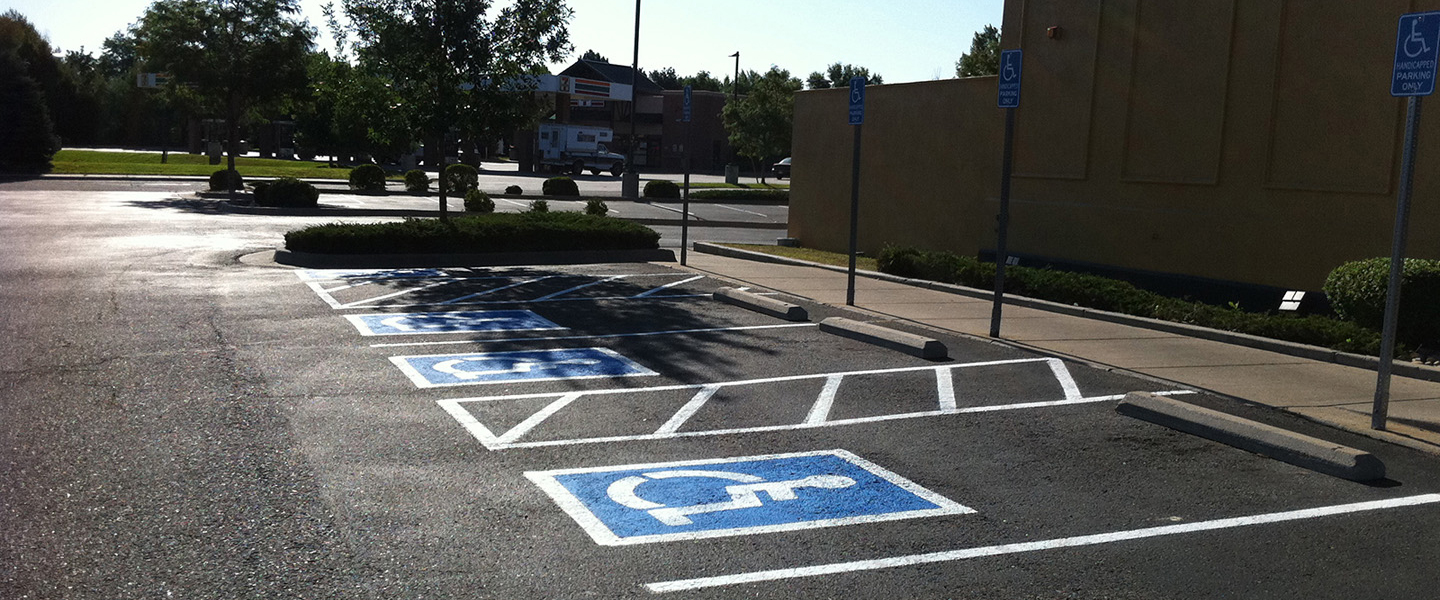
- Parking Lot Striping: Marking of commercial, residential, and municipal lots with precise lane lines, directional arrows, handicap spaces, and numbering systems.
- Custom Stenciling: Creation of specialty markings such as company logos, reserved spaces, school zones, bike lanes, and playground games.
- Thermoplastic Markings: Durable, reflective markings ideal for high-traffic areas that demand longevity and enhanced night-time visibility.
- Pavement Maintenance and Removal: Services including blacking out obsolete lines, removing markings for construction changes, and re-applying after resurfacing.
- Airport and Runway Striping: Specialized markings to FAA standards for safe takeoff, taxi, and landing guidance.
The Striping Process: From Planning to Execution
Delivering durable, precise pavement markings is a craft that merges technical skill with careful planning. Here’s how a typical Colorado striping project unfolds:
Assessment and Planning
Every project begins with a thorough site evaluation. Teams assess the surface condition, traffic patterns, regulatory requirements, and environmental considerations, such as weather forecasts and altitude factors unique to Colorado.
Surface Preparation
A clean, dry surface is essential for optimal paint adherence. Crews sweep, power-wash, and clear debris, and may repair cracks or potholes to ensure even application. In colder months, they may also use heaters to warm up asphalt or concrete surfaces.
Layout and Measurement
Precision is key. Professionals measure and chalk out lines using laser guides or string lines to ensure compliance with local and national standards. This step accommodates custom requests such as angled parking or creative stenciling.
Application of Markings
Depending on the project, crews apply fast-drying road paint, thermoplastics, or epoxy. Modern striping trucks use pressurized systems for perfectly straight, consistent lines. For symbols or lettering, large stencils and hand-sprayers are often used.
Drying and Quality Control
Since Colorado’s weather can be unpredictable, quick-drying materials are common. Once applied, the markings are inspected for uniformity, reflectivity, and adherence. Any necessary touch-ups are completed before the site is reopened to traffic.
Materials Used in Colorado Striping
The region’s environmental extremes—intense sun, snowfall, freeze-thaw cycles—influence the choice of striping materials:
- Waterborne Paint: Eco-friendly, fast-drying, and ideal for standard uses, though it may require more frequent re-application in high-wear areas.
- Thermoplastic: Heated to form a tough, reflective surface, thermoplastic is highly durable and visible, making it a top choice for highways and intersections.
- Epoxy and MMA (Methyl Methacrylate): These advanced systems offer exceptional longevity and chemical resistance, suitable for heavy-traffic or industrial applications.
- Reflective Beads: Tiny glass beads are often embedded in wet paint or thermoplastic, significantly improving night-time visibility—a crucial advantage on Colorado’s winding mountain roads.
Regulatory Compliance and ADA Considerations
Colorado Striping Service providers must adhere to a mosaic of federal, state, and municipal regulations. The Manual on Uniform Traffic Control Devices (MUTCD) sets forth national standards for road markings, while the Americans with Disabilities Act (ADA) governs accessible parking and pedestrian pathways. Local ordinances may impose additional requirements, especially in historic districts or environmentally sensitive areas. Failure to comply may result in penalties or necessitate costly rework.
Technology and Innovation in Striping
Advancements in striping technology have revolutionized the industry. GPS-enabled striping machines deliver unmatched precision, while eco-friendly materials reduce environmental impact. Some Colorado providers offer “green” striping options using low-VOC paints, recycled glass beads, and solar-powered lights for night-time projects. Drones are increasingly used for site surveys and post-completion inspections, further enhancing efficiency and accuracy.
Challenges Unique to Colorado
The state’s dramatic elevation changes and rapidly shifting weather present unique hurdles. Striping contractors must plan carefully to avoid sudden snow squalls, summer downpours, and extreme temperature swings, which all affect paint adhesion and scheduling. High UV exposure at altitude can fade markings faster, mandating the use of robust, fade-resistant products. Additionally, the state’s popularity as a tourist destination increases the volume of seasonal re-striping, especially near attractions and resort towns.
Customer Sectors Served
Colorado Striping Service companies proudly serve a wide array of clients, including:
- State and Local Governments: Highways, city streets, municipal parking lots, and public parks.
- Commercial Properties: Shopping centers, office complexes, apartment buildings, and event venues.
- Educational and Healthcare Facilities: School campuses, universities, hospitals, and clinics.
- Industrial Sites: Warehouses, factories, and logistics centers requiring specialized markings for safety and efficiency.
- Airports and Transportation Hubs: Runways, taxiways, and bus terminals.
Choosing the Right Striping Service Provider
Selecting a reputable striping service is essential for quality, compliance, and longevity. Factors to consider include:
- Experience and Expertise: Look for providers with deep knowledge of Colorado’s climate and regulatory landscape.
- Portfolio and References: A robust project history demonstrates reliability and versatility.
- Equipment and Technology: The latest machinery and eco-friendly approaches ensure efficient, sustainable results.
- Licensing and Insurance: Proper credentials protect clients and workers alike.
- Customer Service and Communication: Responsive teams that offer clear timelines and transparent pricing make for smooth projects.
The Future of Striping in Colorado
As Colorado’s infrastructure evolves, so too does its striping industry. Emerging trends include the integration of smart road technologies, such as sensors embedded in markings for autonomous vehicles, and the use of augmented reality for planning and layout. Sustainability will continue to drive material innovation, with bio-based paints and enhanced recycling practices on the horizon.
Conclusion
From the smallest cul-de-sac to the busiest interstate, Colorado Striping Service is an unsung hero of the state’s transportation network. Their meticulous work ensures that every mile of roadway, every parking stall, and every pedestrian crosswalk supports safety, organization, and accessibility for all. As the state grows and changes, these professionals will remain at the forefront—guiding the way, one stripe at a time.