
Colorado Pavement Marking Services
Ensuring Safety and Efficiency on Colorado’s Roadways and Parking Lots
Across the vast and varied landscape of Colorado—from the bustling corridors of Denver to the winding mountain passes of the Rockies—pavement markings are silent sentinels that guide, warn, and inform drivers. The Colorado Pavement Marking Service industry plays a vital role in the safety, efficiency, and organization of the state’s transportation network. This document explores the scope, importance, methods, regulations, and innovations in pavement marking services throughout Colorado.
The Importance of Pavement Markings
Road markings are more than just lines on asphalt; they are the language of the road. These visual cues denote lanes, guide traffic flow, indicate crosswalks, warn of upcoming hazards, and delineate parking areas. Effective pavement markings reduce accident rates, support smooth traffic movement, and help meet the regulatory standards set by state and federal transportation authorities.
- Safety: Clear, visible markings are crucial for preventing accidents, especially in poor visibility conditions such as fog, snow, or heavy rain.
- Organization: Markings help organize traffic, prevent confusion at intersections, and maintain orderly parking arrangements in commercial, public, and residential areas.
- Compliance: Proper markings ensure compliance with traffic laws and promote pedestrian safety.
Types of Pavement Markings
Colorado’s roads require a variety of markings, each serving a distinct purpose:
- Center Lines: Separate opposing traffic flows and guide vehicles along proper paths.
- Lane Lines: Indicate individual lanes in the same direction and support lane discipline.
- Edge Lines: Mark the edge of the roadway, providing guidance, especially at night or in adverse weather.
- Crosswalks and Stop Bars: Highlight pedestrian crossing points and stop locations at intersections.
- Arrows and Legends: Provide directional guidance and indicate exclusive lanes for turning or other purposes.
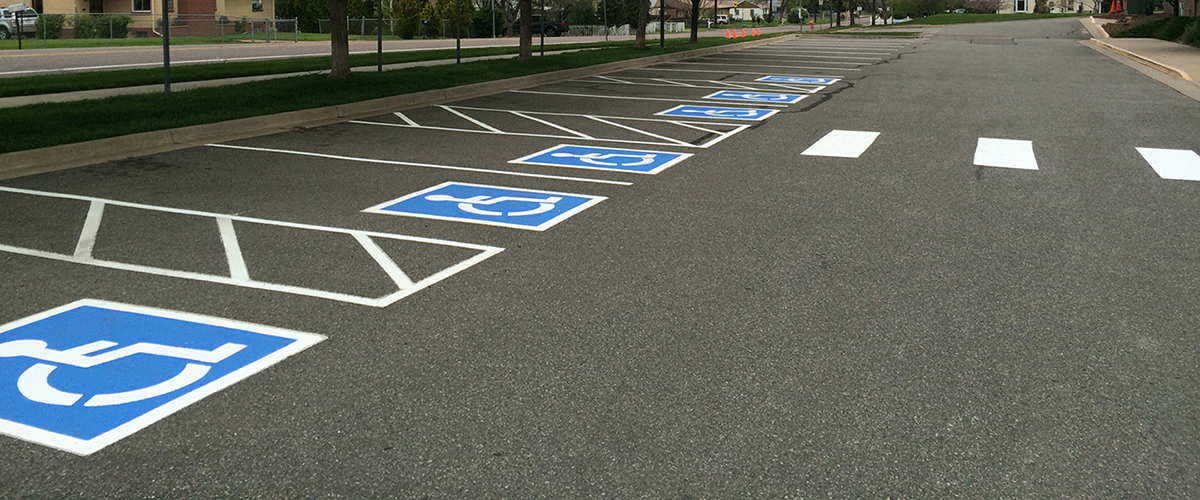
- Parking Lot Markings: Designate parking spaces, accessible spots, fire lanes, and loading zones.
- Specialty Markings: Include bike lanes, school zone indicators, and custom stencils for private properties or special events.
Materials Used in Pavement Marking
The effectiveness and longevity of pavement markings depend on the materials used and the conditions in which they are applied. Common materials in Colorado include:
- Paint: Waterborne and solvent-based paints offer a cost-effective solution for low-traffic areas and temporary markings.
- Thermoplastic: Durable and highly visible, thermoplastic markings are melted onto the pavement for a longer-lasting finish, often used on highways and busy intersections.
- Epoxy: Known for strong adhesion and chemical resistance, epoxy is used for high-durability applications.
- Preformed Tape: Ideal for specialty applications and areas where rapid installation is necessary, such as crosswalks or bike lanes.
- Reflective Materials: Glass beads and other reflective additives are embedded in markings to enhance nighttime visibility.
Application Methods and Equipment
Applying pavement markings is a precise process involving a blend of technology and craftsmanship. Colorado Pavement Marking Service providers employ various application methods:
Striping Machines
Modern striping machines apply paint, thermoplastics, or epoxy with remarkable accuracy. These vehicles can be equipped with multiple spray guns, heating elements (for thermoplastics), and computer-controlled guidance systems.
Hand Application
Smaller projects or intricate markings may require hand tools and stencils, especially for detailed legends or symbols.
Surface Preparation
Proper surface preparation is essential for durability. This may involve cleaning debris, removing old markings, or using grinders and shot blasters to create the ideal surface.
Quality Control
Service providers must ensure uniform thickness, width, and color consistency, as well as proper curing times to maximize lifespan and safety.
Regulations and Standards
Pavement marking services in Colorado are regulated by state and federal guidelines, including the Manual on Uniform Traffic Control Devices (MUTCD) and Colorado Department of Transportation (CDOT) specifications.
- MUTCD Compliance: All markings must adhere to the color, dimension, and placement standards outlined in the MUTCD.
- ADA Requirements: Markings in parking lots and pedestrian areas must comply with the Americans with Disabilities Act, ensuring accessibility for all.
- Environmental Considerations: Materials and methods must comply with environmental regulations to minimize pollution and runoff.
Challenges Unique to Colorado
Colorado’s climate and geography present unique challenges for pavement marking:
- Weather Extremes: Snow, ice, and freeze-thaw cycles can wear down or obscure markings. Service providers must choose materials suited to rapid temperature changes.
- High Elevation: UV exposure at altitude can accelerate fading, necessitating periodic maintenance and the use of UV-resistant materials.
- Urban vs. Rural Needs: Rural mountain roads may require more durable markings due to snow plows and remote accessibility issues, while urban areas need frequent touch-ups due to heavy traffic.
Innovations and Sustainability
The pavement marking industry is evolving, with new technologies and sustainable practices emerging:
- Enhanced Reflectivity: Advanced glass bead mixtures and retroreflective tapes improve night visibility and safety.
- Environmentally Friendly Materials: Waterborne paints with fewer volatile organic compounds (VOCs) reduce environmental impact.
- Automated Striping and Removal: Robotics and computer-guided striping machines increase accuracy and efficiency, reducing labor costs and traffic disruptions.
- Recycled Products: Some providers incorporate recycled glass beads or plastics to minimize waste.
Choosing a Pavement Marking Service in Colorado
Selecting the right service provider requires careful consideration of several factors:
- Experience and Track Record: Companies with a proven history in Colorado understand the unique demands of local roads and climate.
- Licensing and Insurance: Ensure the company is fully insured and licensed to perform work on public and private roadways.
- Equipment and Techniques: Modern equipment and up-to-date application methods assure quality and durability.
- Customer Service: Reliable communication and prompt service are critical, especially for time-sensitive projects.
- References and Reviews: Seek out testimonials, reviews, and references from previous clients to gauge reputation and reliability.
Pavement Marking Maintenance
Even the most expertly applied markings require periodic maintenance. Colorado Pavement Marking Service providers offer:
- Routine Inspection: Regular assessments to identify wear and fading.
- Re-striping: Refreshing lines as they deteriorate to maintain safety and compliance.
- Marking Removal: Techniques such as grinding, water blasting, or chemical removal to eliminate outdated or incorrect markings.
Case Studies: Pavement Marking Across Colorado
Urban Projects: In Denver, comprehensive striping programs update crosswalks, bike lanes, and traffic lanes every spring, improving urban mobility and pedestrian safety.
Mountain Roadway Challenges: On Interstate 70, durable thermoplastic markings withstand intense snow removal operations and fluctuating temperatures, providing year-round visibility.
Airport Applications: Airports such as Denver International rely on high-precision markings for runways, taxiways, and service roads, using durable materials and stringent quality control.
Future Trends in Pavement Marking
The future of Colorado pavement marking will be shaped by advancing technologies and shifting transportation needs:
- Smart Roadways: Integration of sensors and machine-readable markings to support autonomous vehicles and intelligent transportation systems.
- Climate-Resilient Materials: Ongoing research into materials that withstand Colorado’s extreme weather for longer-lasting and safer roadways.
- Community Engagement: Public input on crosswalks, bike lanes, and other markings to create safer, more accessible cities.
Conclusion
Pavement marking services are an essential thread in the fabric of Colorado’s infrastructure, promoting safety, efficiency, and accessibility for all who travel its roads. As the state continues to grow and modernize, the expertise and innovation of Colorado Pavement Marking Service providers will remain indispensable. Whether guiding commuters through a downtown intersection or marking a lonely mountain curve under starlight, these services help ensure that everyone can travel with confidence and clarity, day and night, across the Centennial State.